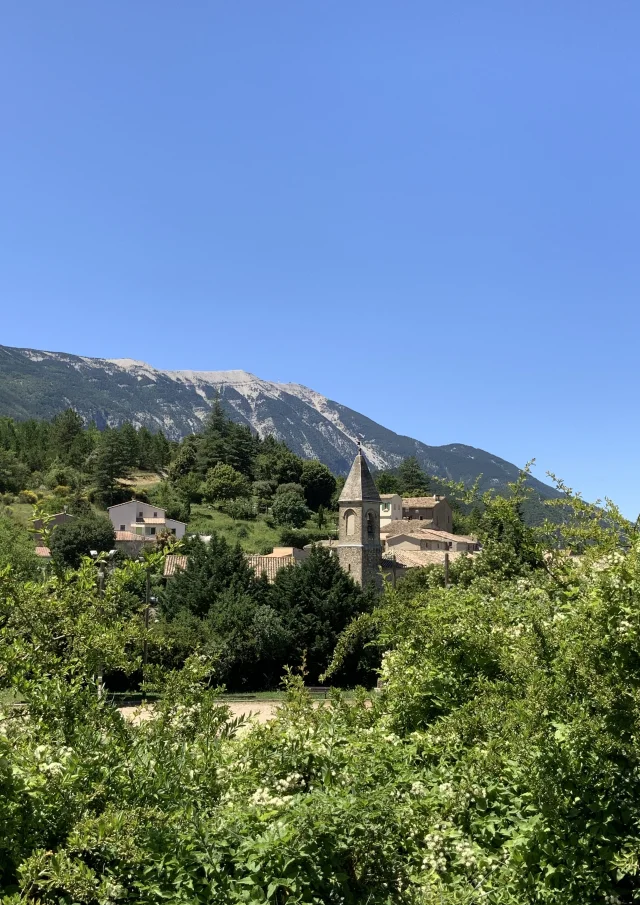
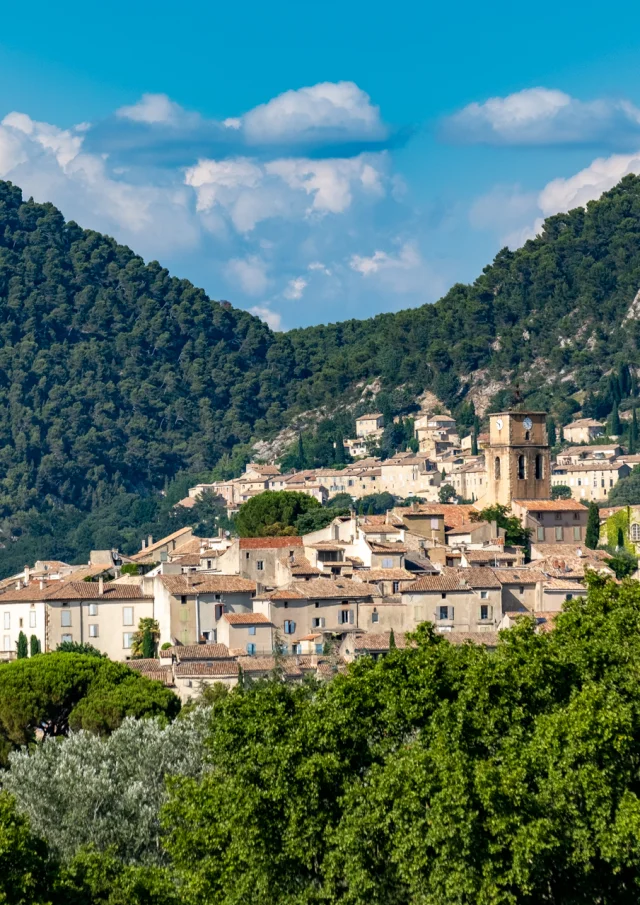
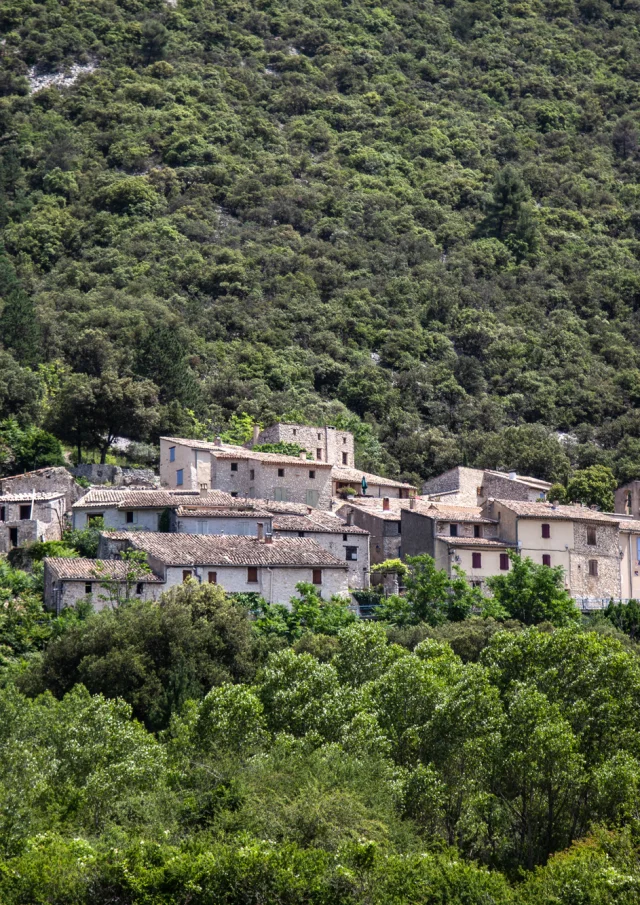
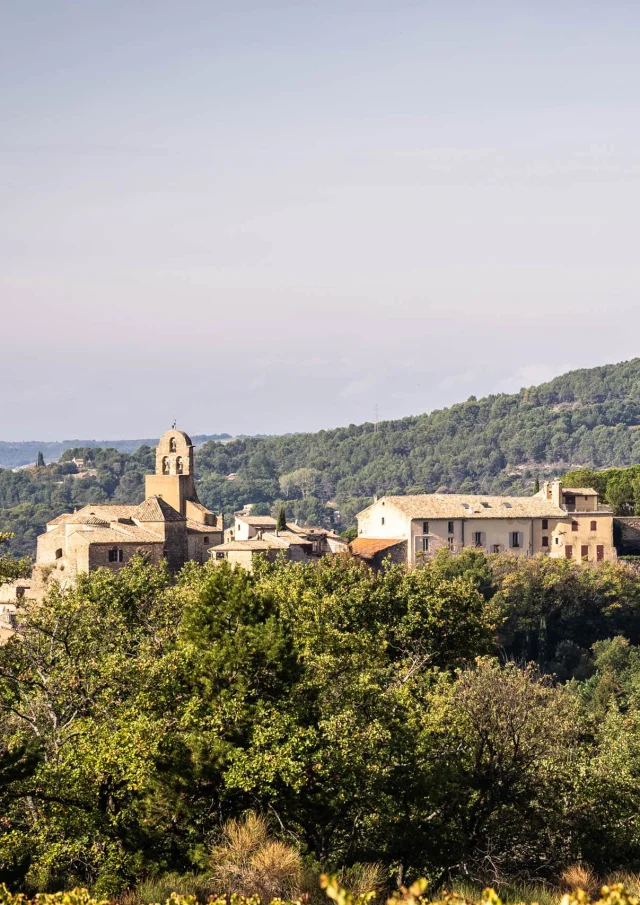
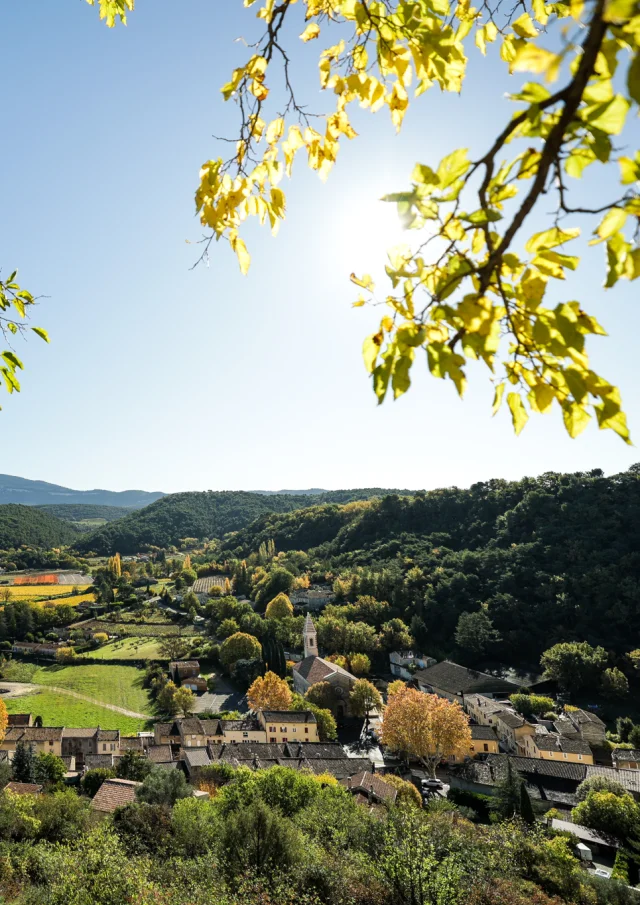
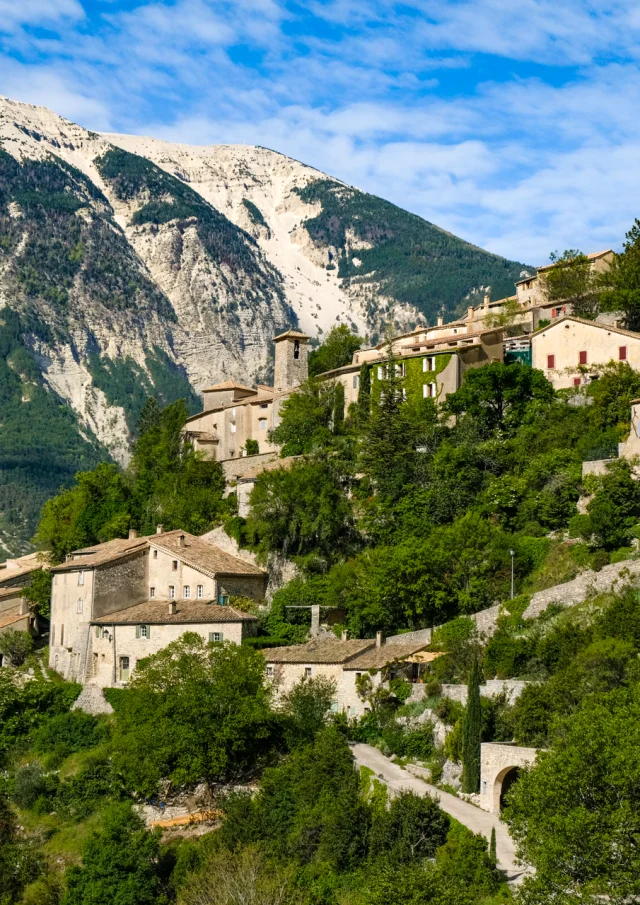
The medieval town of Vaison-la-Romaine.Medieval town of Vaison-la-Romaine
©Medieval town of Vaison-la-Romaine|© T.Champetier

The medieval city

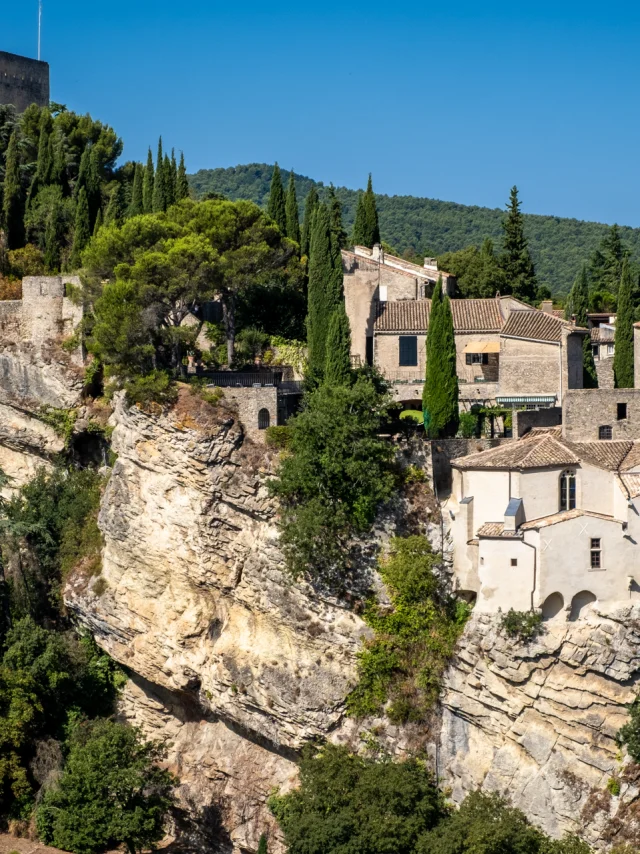
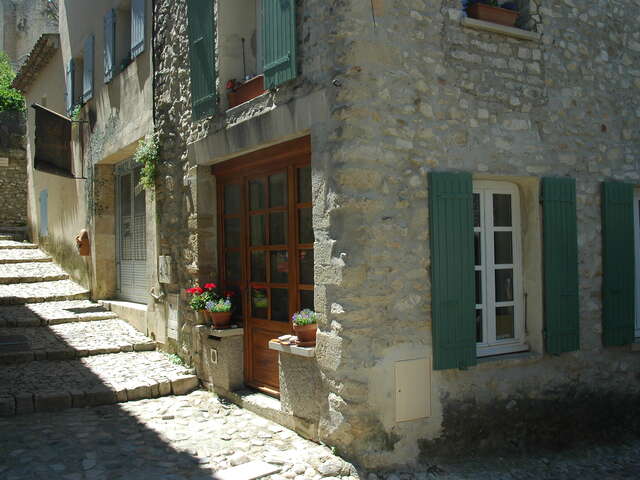
Nestling at the top of a hill, the medieval town of Vaison-la-Romaine, classified as a Petite Cité de Caractère, invites you to take a trip back in time, where the winding streets and centuries-old buildings transport you back to medieval times.

History of the cathedral of the upper town of Vaison-la-Romaine
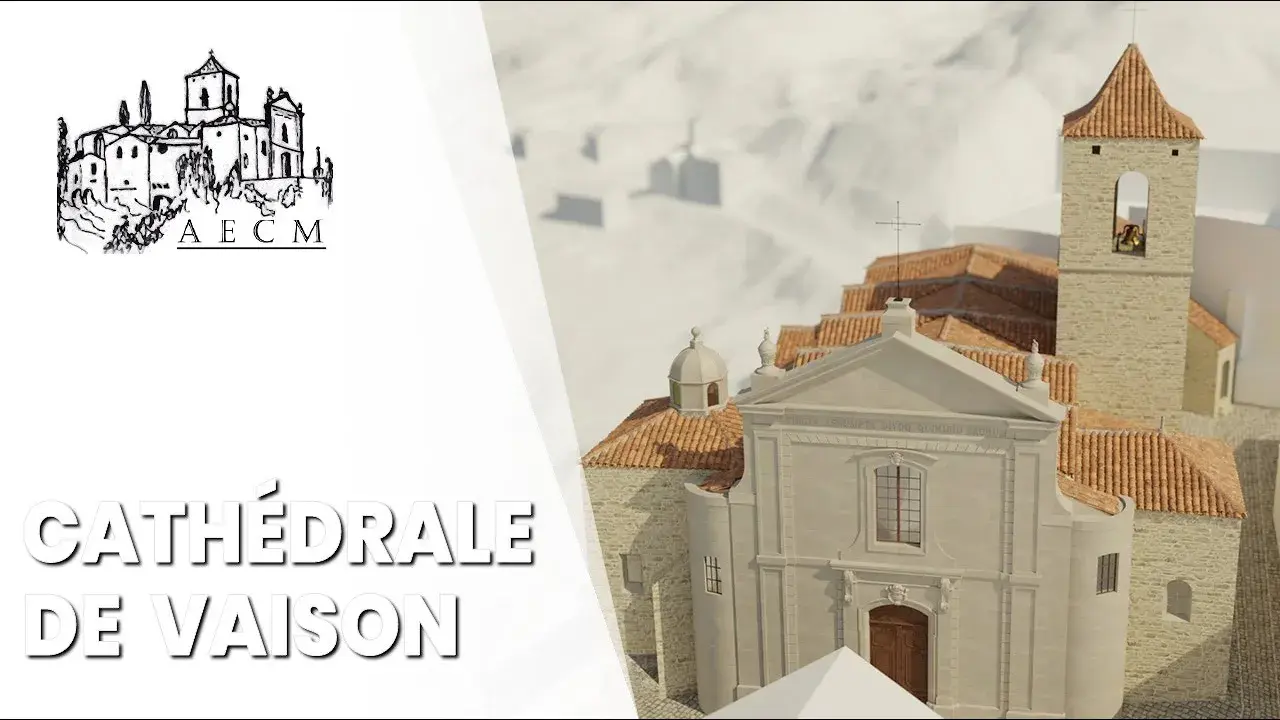
Histoire de la cathédrale de la haute-ville de Vaison-la-Romaine - 6 siècles en 6 minutes

Immerse yourself in an unprecedented visual journey: let yourself be carried away by this video that reveals all the beauty, soul and history of the cathedral church of Sainte-Marie-de-l’Assomption over 6 centuries. With its authentic landscapes, ancestral heritage and vibrant atmosphere, it’s a place to feel, to see and to experience.

La Haute Ville

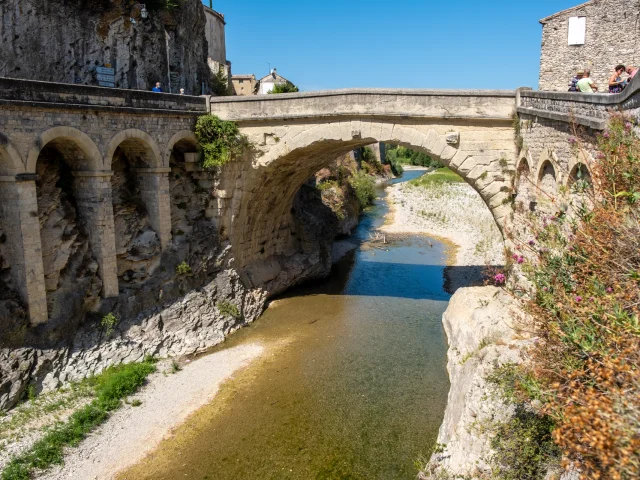
On the Roman Bridge, as your footsteps echo over the old stones, look up and let yourself be captivated by the majestic silhouette of the medieval town of Vaison-la-Romaine. Enter a world where the past comes alive before your very eyes.

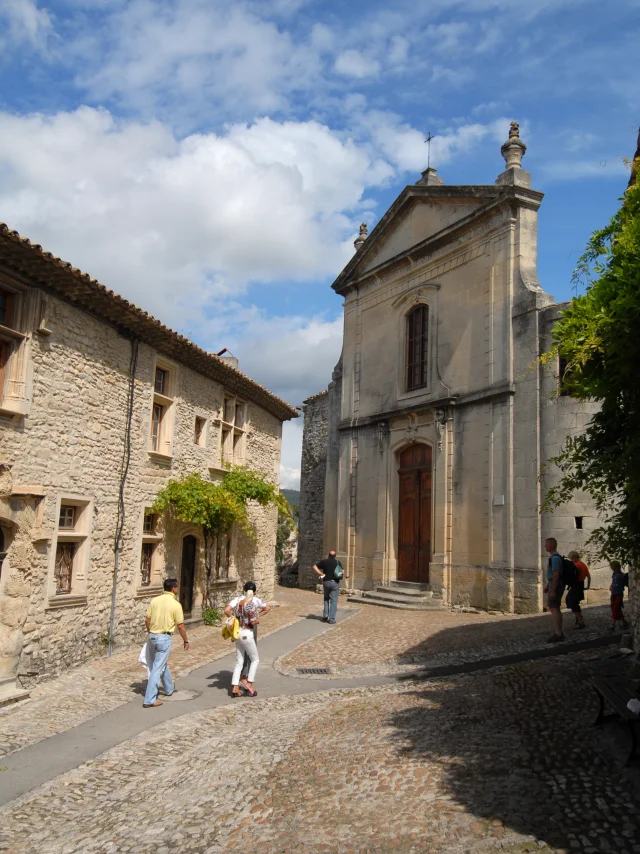
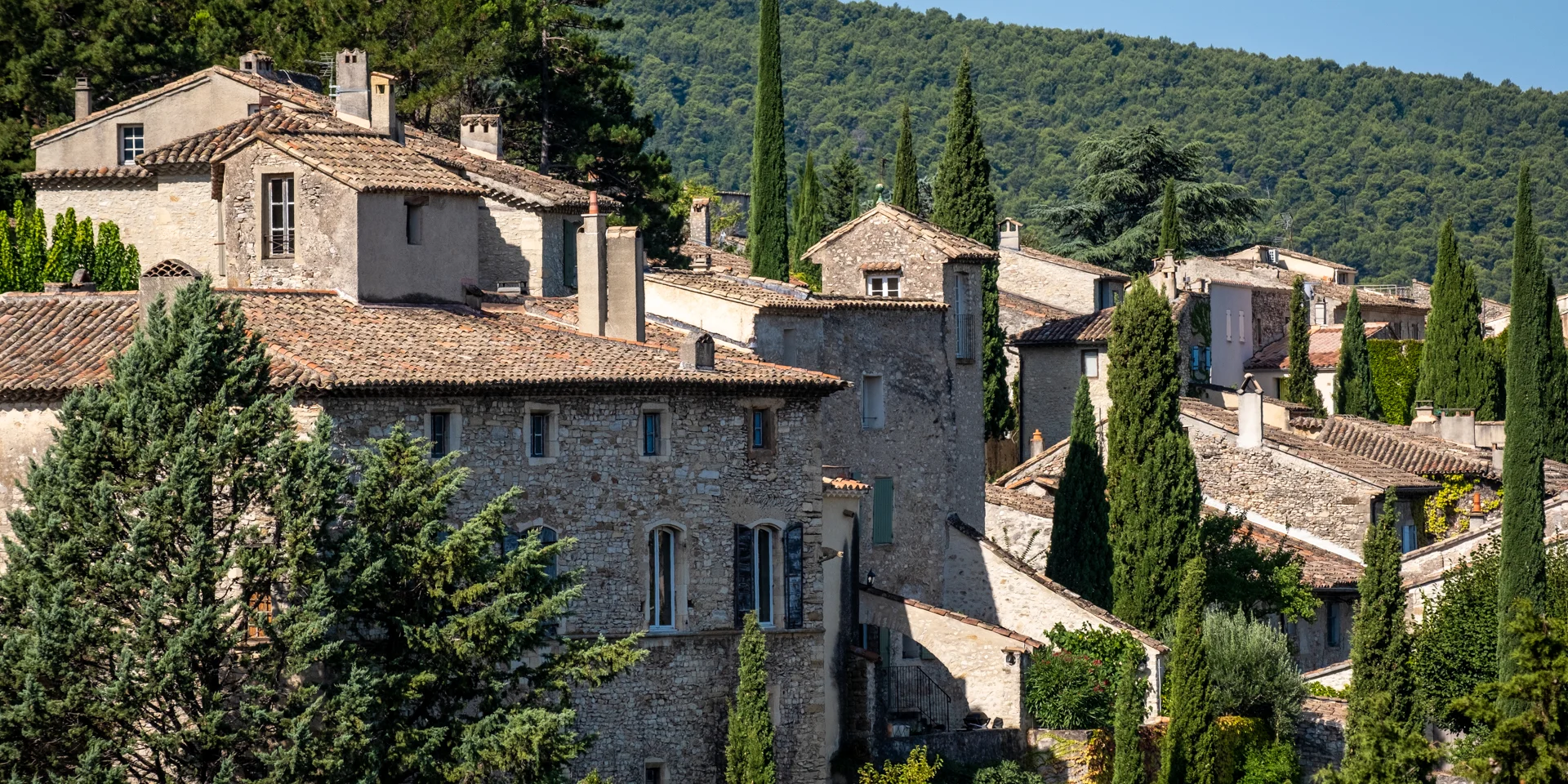
The narrow cobbled streets and stone houses that seem frozen in time instantly transport you back to the 12th century, when the town was the scene of conflict between the Count of Toulouse and the bishop. The ensuing pillage prompted the population to abandon the valley in favour of the rocky heights. The fortified architecture of the old town bears witness to these turbulent times, with its imposingramparts and fortifiedgates.

Over the centuries, new buildings emerged in the valley, extending the history of the old town as far as the Pont Romain. However, it wasn’t until the 19th century that the people of Vaisonnais turned their attention to the lower town, gradually abandoning the old town.

The medieval town, also known as the Upper Town, can be reached after walking along the ramparts and the Belfry. It offers a picturesque panorama overlooking the town, dominated by the château comtal. In days gone by, access to the town was protected by emblematic gates such as the Porte Vieille, also known as the Porte St Quenin, and the Porte Neuve. These gates were the guardians of the city’s security, closing every evening from 10pm to 4am, reflecting the importance attached to protecting the inhabitants from external threats.

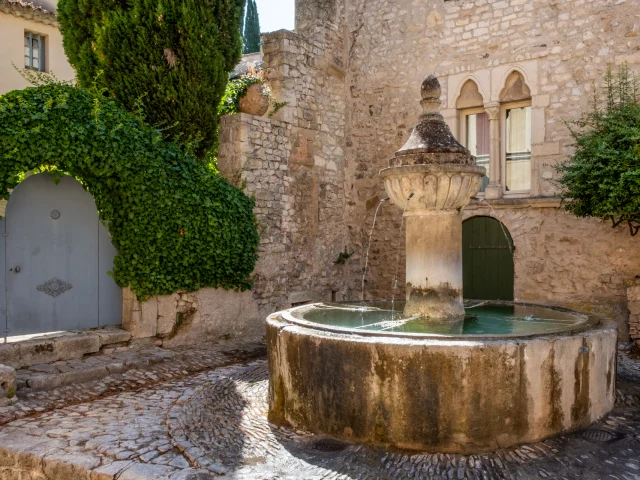
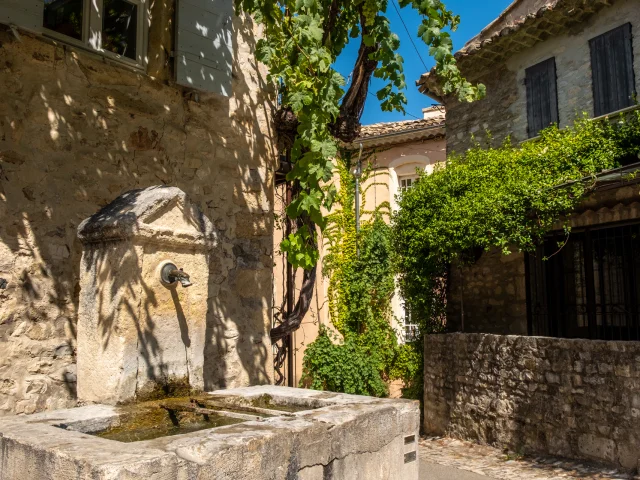
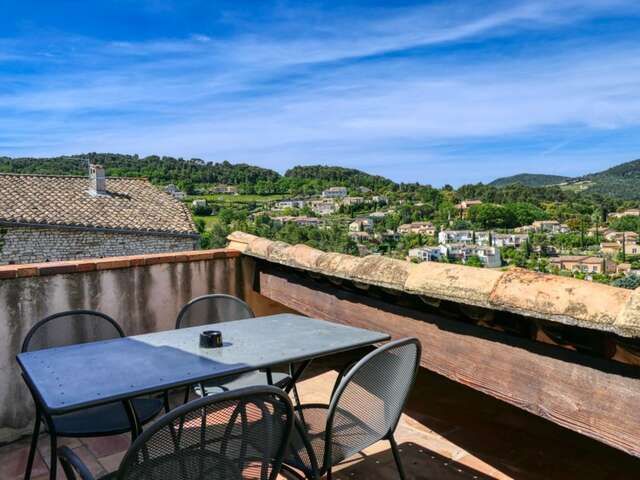
From the Place du Vieux Marché (Old Market Square), once the hub of the Upper Town’s economic activity, you can admire the remains of the wall that once encircled the Jewish quarter. The panoramic views of the valley and Mont Ventoux from the Planet add a touch of poetry to the medieval atmosphere of the cobbled streets, lined with old town houses and Comtadine fountains.
Sainte-Marie-de-l'Assomption cathedral church

At the eastern end of the rock, overlooking the valley, there used to be a strategic surveillance point, protecting the bridge and access to the town. It was here that a sentry walk was built, followed by the church in the mid-15th century. Over the centuries, the church was enlarged, notably with the addition of a nave and choir at the end of the 16th century. The building was also embellished until the end of the 18th century, when revolutionary looting impoverished the decor, reflecting the political unrest of the time.

In the 19th century, as the population gradually moved towards the valley, the liturgy of the church declined, in favour of the old Romanesque cathedral. Nevertheless, recent restoration work has brought new life to this place steeped in history, enabling it to host cultural events. In 2019, the 19 bays of the church were adorned with artistic glazing by the artist Kim En Joong, adding a contemporary touch to this emblematic site.

Please note that the church is closed to the public outside special events.

The castle

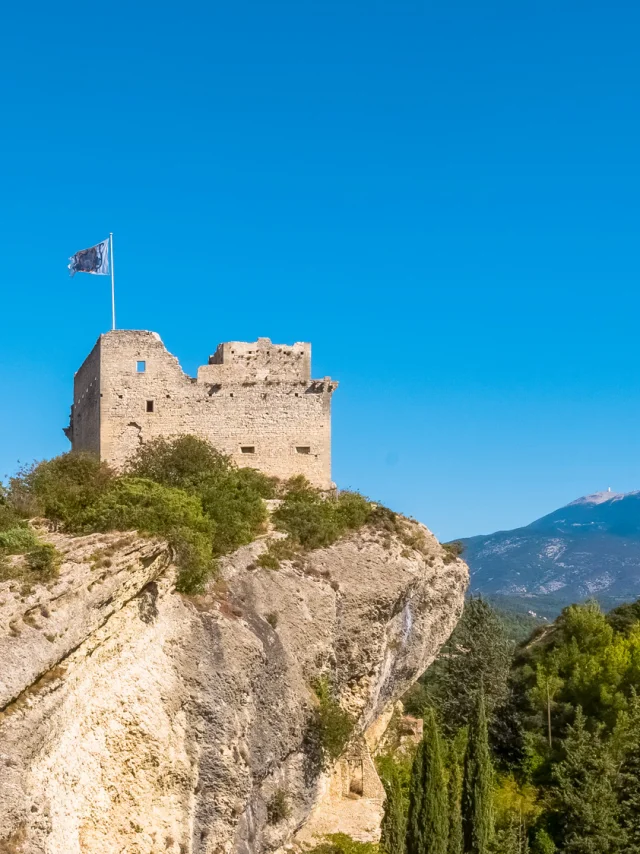
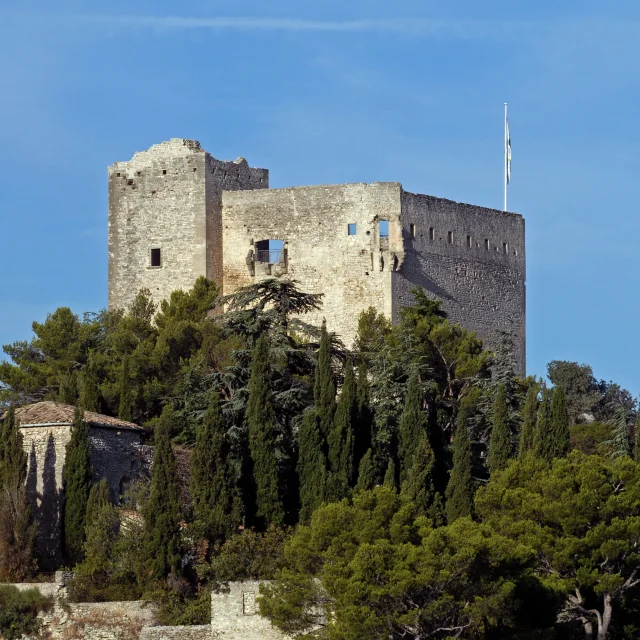
Firmly anchored on the rock, dominating the town from all sides, the château comtal is a must-see landmark. Originally a simple wooden tower erected in 1185 to assert the authority of Raymond VI, Count of Toulouse and lord of the Comtat Venaissin, it was transformed in the 13th century into an imposing fortress, comprising three main buildings and a square keep surrounding an inner courtyard.

In 1274, the castle became papal property, a status it retained until 1791. From its forecourt, you can enjoy a spectacular panoramic view of the town of Vaison and the surrounding area. This emblematic building embodies the power and history of the region, reminding visitors of the importance of preserving and exploring it.

OTI Vaison Ventoux Provence teamOTI Vaison Ventoux Provence team
©Luca ZEHNER - Travel consultant
Favourite

Vaison-la-Romaine is a town with a warm and friendly atmosphere, renowned for its many quality labels. These quality labels testify to the quality of life in Vaison-la-Romaine: a town where life is good!

Luca

Vaison Ventoux Provence Secrets of rural heritage